





Utmost good faith
Insurance Policyholder Taxation Manual, published by HM Revenue & Customs on 19 March 2016, defines utmost good faith: (or uberrima fides) as: ‘a duty laid on the parties to an insurance contract, especially the proposer, of greater force than ordinary good faith, requiring full disclosure of all facts which are or might be material to the contract; this duty subsists throughout negotiations over the terms of the contract and until the contract has been concluded, and may be maintained during the period of the contract if the policy so provides.’
See also: Good faith.
[edit] Related articles on Designing Buildings
Featured articles
Check out some of the best features and news from Designing Buildings as well as key stories from around the web.
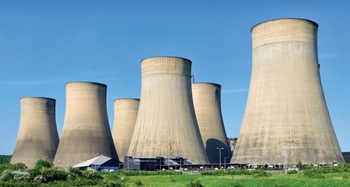
The heritage of nuclear and conventional power stations.
New measures to stop people being ripped off

Government to protect families from cowboy builders and aggressive bailiffs.

New Futurebuild showcase brings an innovation-first approach.
National Planning Policy Framework
Understanding the 2026 changes.
ECA's public affairs priorities

Member consultation opens to shape priorities for 2027 to 2030.

Dutyholder responsibilities from 1 July 2026.
Where performance meets practice

The Building Envelope Stage at UKCW Birmingham.

CIAT publishes briefing on planning reforms.
Leaders in Learning for Practice Network

Call for conservation leaders in learning to register interest in new network.
The importance of early engagement

Construction lessons from the Trillium HealthWorks Experience Centre.
Mayors are to be given planning call in powers
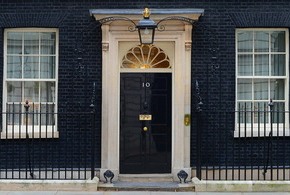
Mayors across England will be able to make the most important planning decisions.

The Master Builder: William Butterfield and his times. Book review.
Comments
[edit] To make a comment about this article, or to suggest changes, click 'Add a comment' above. Separate your comments from any existing comments by inserting a horizontal line.